April 1 French Quarter
Day 1: Exploring the French Quarter
Note: Arrive in New Orleans the night before.
Take a self-guided walking tour of the French Quarter – thoroughly exploring the Lower French Quarter. Being set in a grid pattern, the French Quarter, the historic heart of New Orleans, is easy to walk around and find your way. Head from Jazz Quarters to the Mississippi River, we walk down Esplanade Avenue – a broad, tree-lined, 2-kilometre-long residential street bordered by beautiful old Creole homes. Your first stop is the flea market within the French Market.
Walking the length of the French Market, which also incorporates a farmer’s market and runs parallel to North Peters Street, turn right into Ursulines Street. Your destination is the Old Ursuline Convent on the corner of Ursulines and Chartres Streets. Built in 1752, the Old Ursuline Convent is the oldest building in the Mississippi Valley. Explore through the Convent. Of most interest are the rooms telling the history of the Battle of New Orleans between Great Britain and the United States. There is a stained-glass window depicting the Battle of New Orleans is in the Convent’s chapel.
Leave. Opposite the Ursuline Convent is Beauregard-Keyes House and Garden. Built in 1862, many famous New Orleanians have lived in the house, the most notable being the Confederate General, Pierre Beauregard. General Beauregard only lived in the house for 18 months, but because he was a famous Civil War hero, the house still bears his name. The ‘Keyes’ part of the house’s name is attributed to the author, Frances Parkinson Keyes. The Beauregard-Keyes House is an example of the ‘raised centre-hall cottages’ architectural style, reflecting urban versions of French-Colonial plantations. Raised Centre-Hall Cottages are typically raised on piers to five feet or more above ground level. They have deep, covered front porches supported by symmetrically placed columns and accessed by a central stair.
Head now to Jackson Square – a great place to sit and people watch as there is so much going on. Around the Square are artists selling their paintings, tarot card readers, and jazz bands competing for tourist attention. Go into St Louis Cathedral on Jackson Square.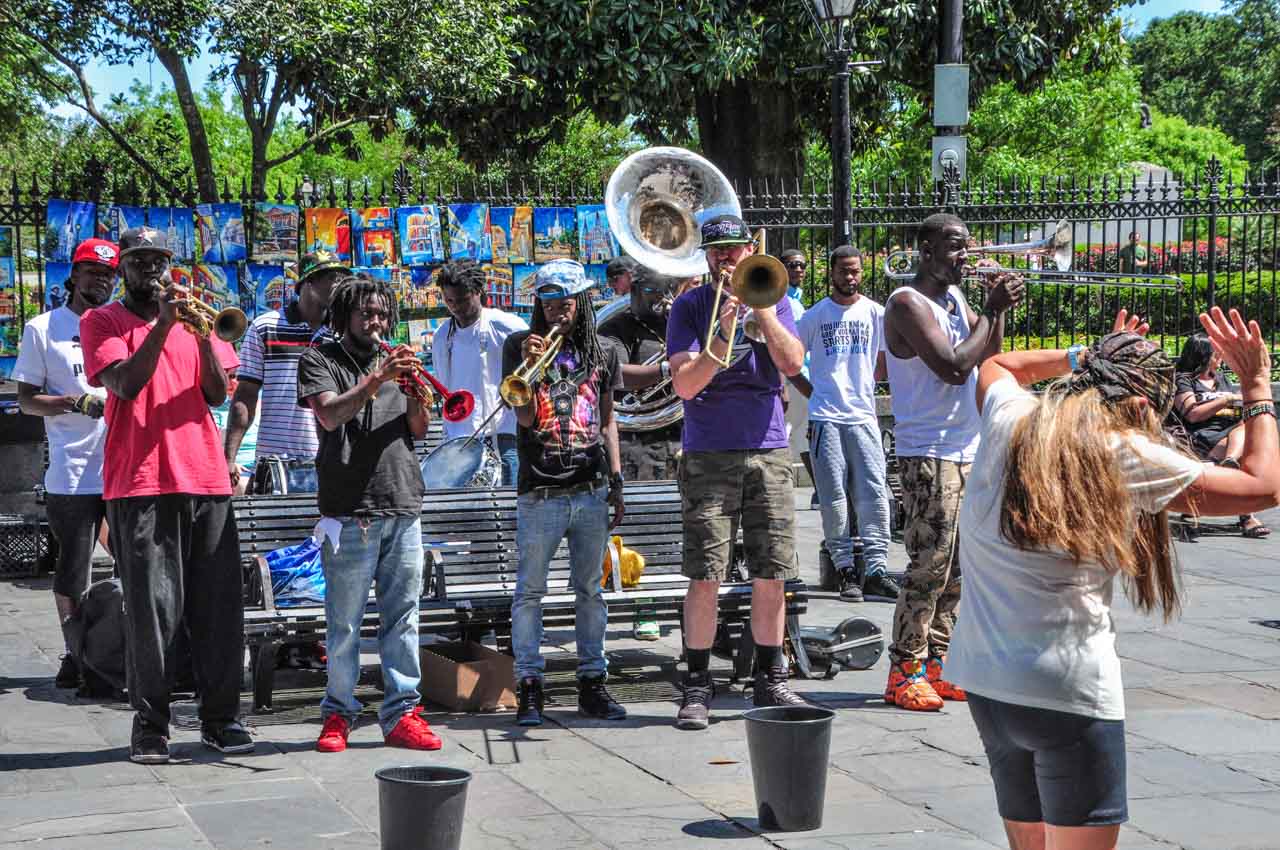
A band entertains the crowds in Jackson Square
St Louis Cathedral, also called the Cathedral-Basilica of Saint Louis, King of France, is the oldest continuously active cathedral in the United States. Originally built in 1724, the cathedral has been rebuilt twice due to destruction from a hurricane and fire. Visitors are reminded this is a working church, with mass held daily.
We will be now well and truly ready for coffee and headed to Café du Monde on Decatur Street, famous for its beignets. Beignets are square pieces of dough, fried and covered with powdered sugar, and Café du Monde has been serving them since 1862.
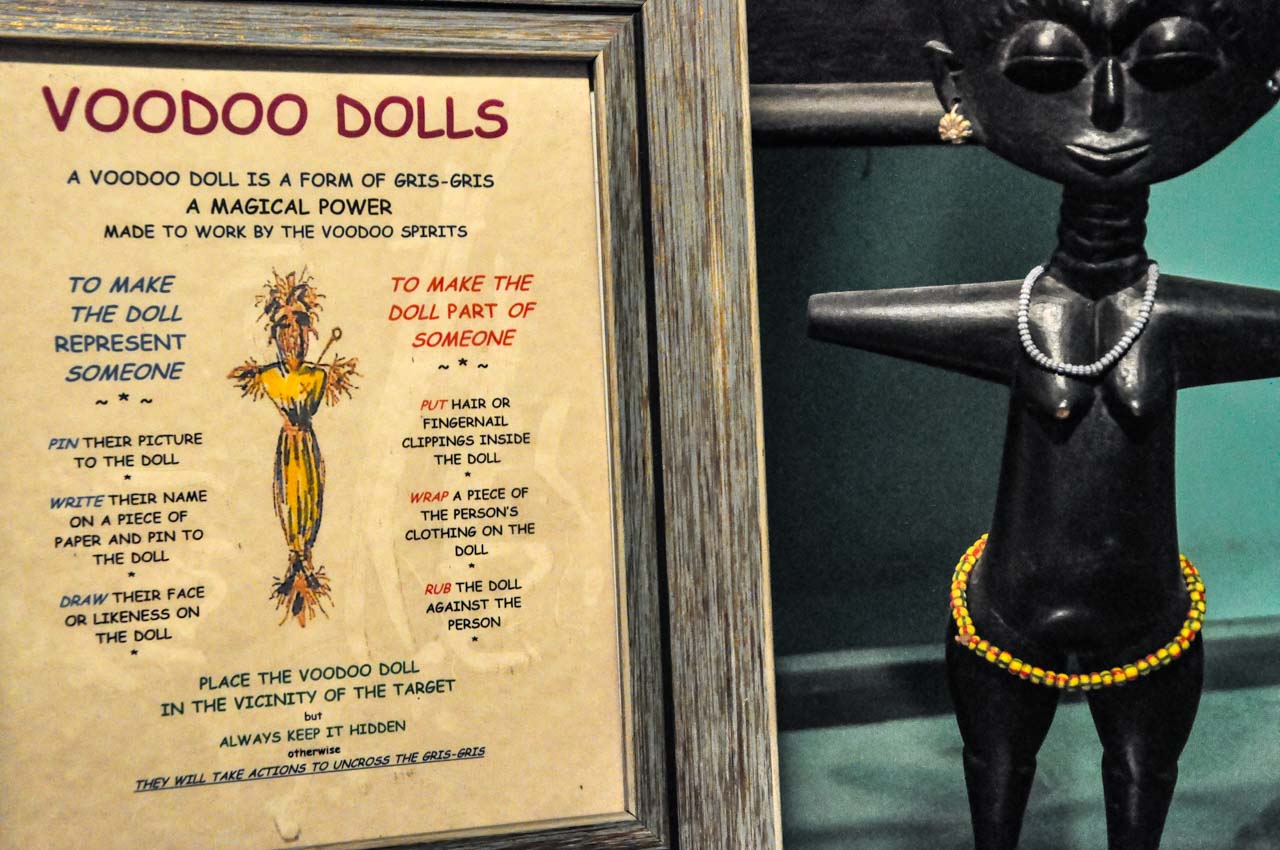
Before heading back to Jazz Quarters, our final stop is at The New Orleans Historic Voodoo Museum. Voodoo, brought to Louisiana by enslaved Africans from West Africa, is one of New Orleans’ many tourist attractions. According to guidebooks, the museum provides insight into Voodoo’s mysteries, legends, and traditions in its hallway and two small rooms packed with voodoo artifacts and examples of voodoo practices.
New Orleans Historic Voodoo Museum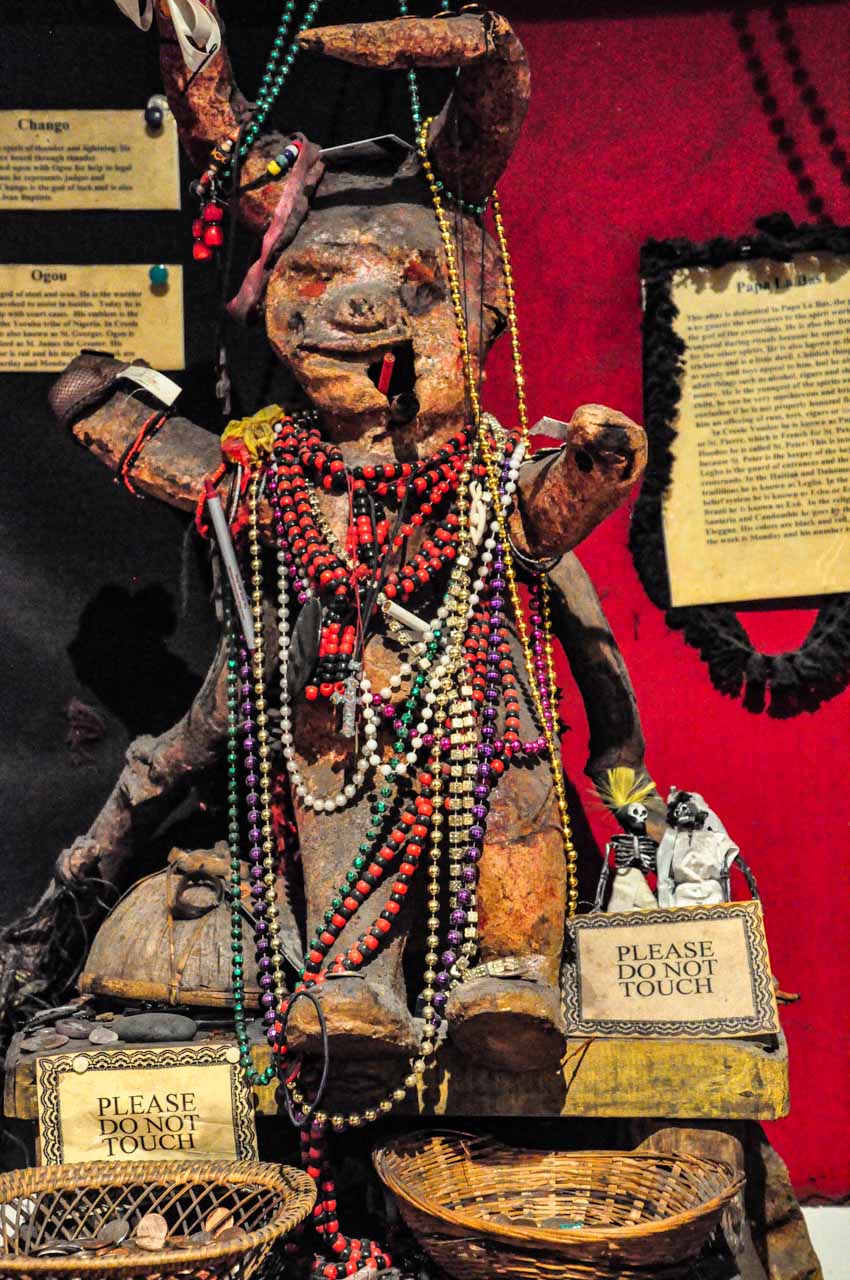 Altar dedicated to the voodoo god Papa La Bas
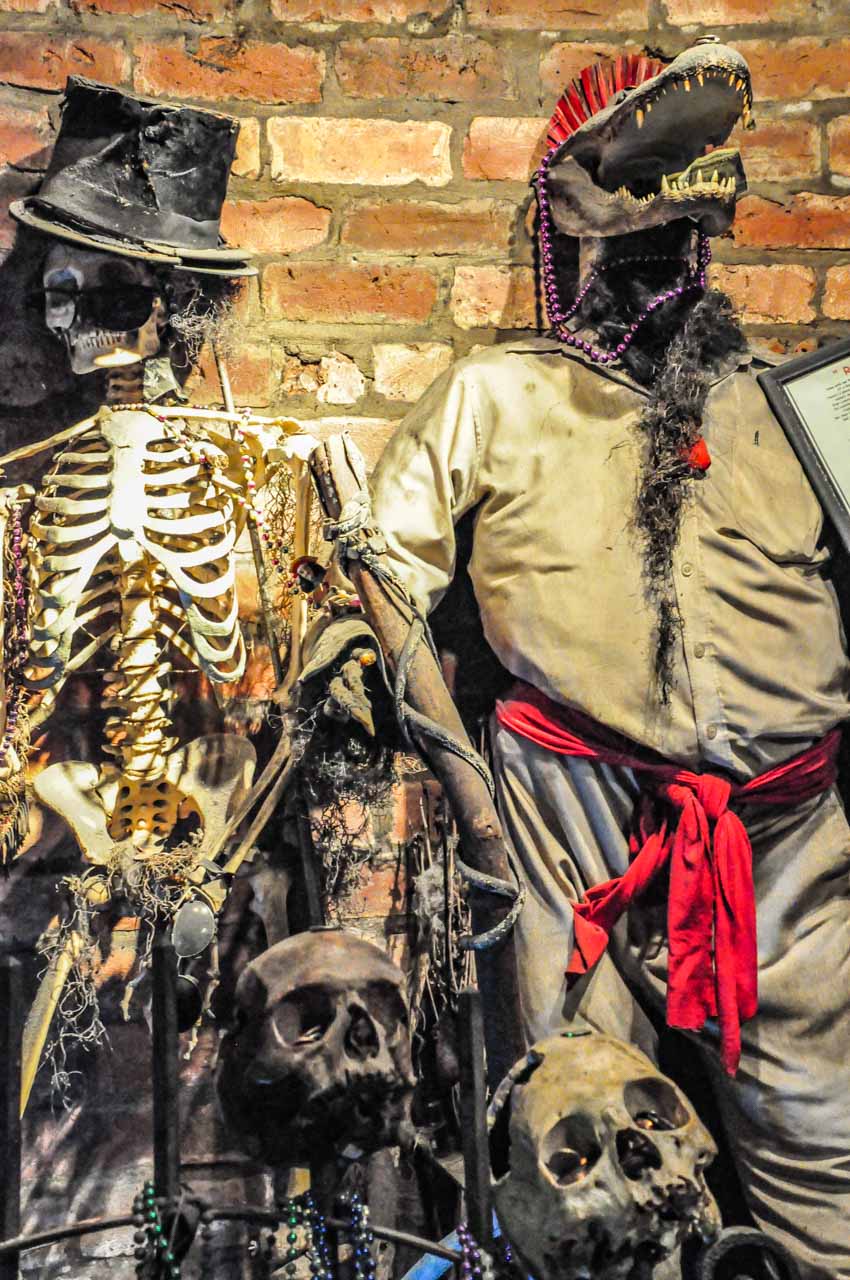 The Ghede voodoo spirits
The Voodoo Museum, at 724 Dumaine Street, is open 10.00 am to 6.00 pm, seven days a week. General admission for adults is US$7.00. However, entrance to the gift shop is free. There is no formal tour of the museum.
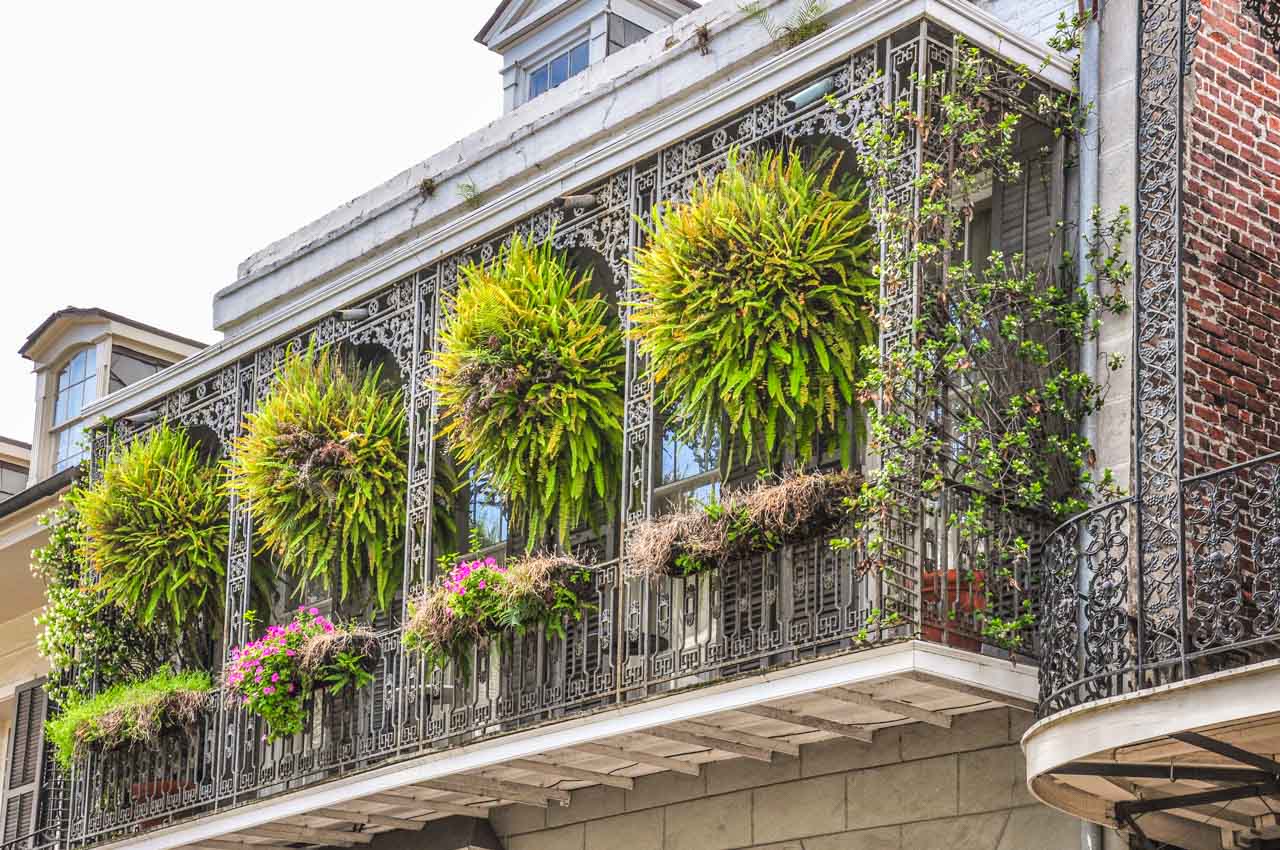
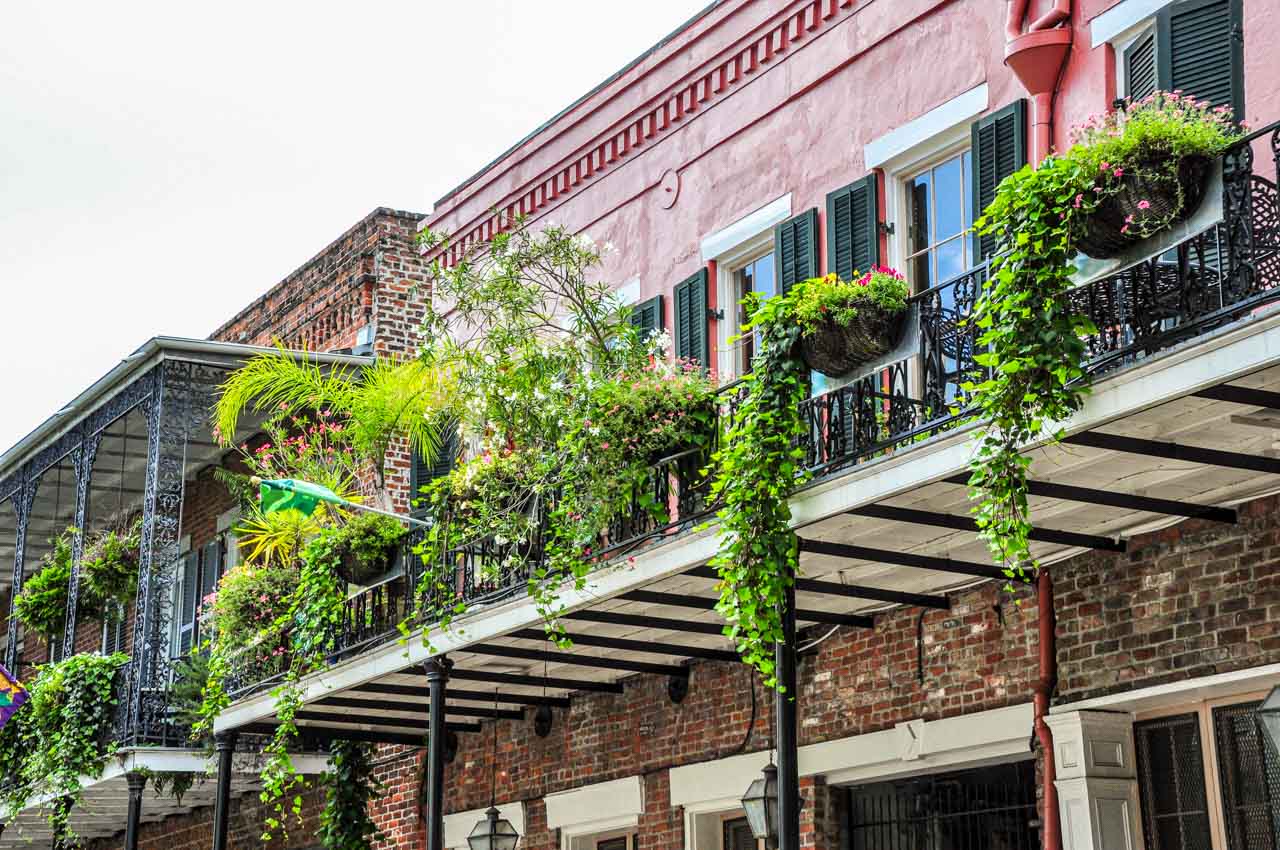
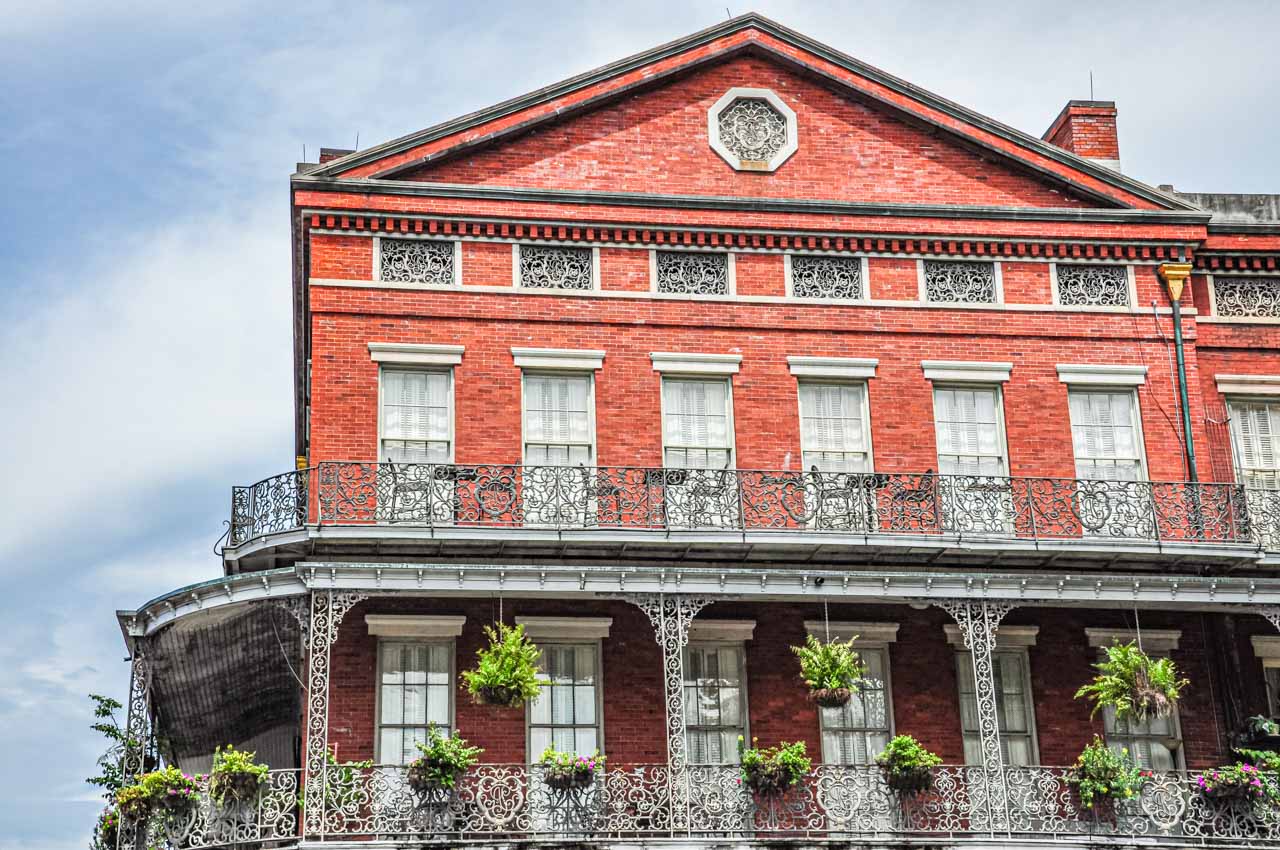
Walking around the French Quarter’s streets, the cast-iron balconies will catch the eye, and we will never tire of admiring them and taking photos.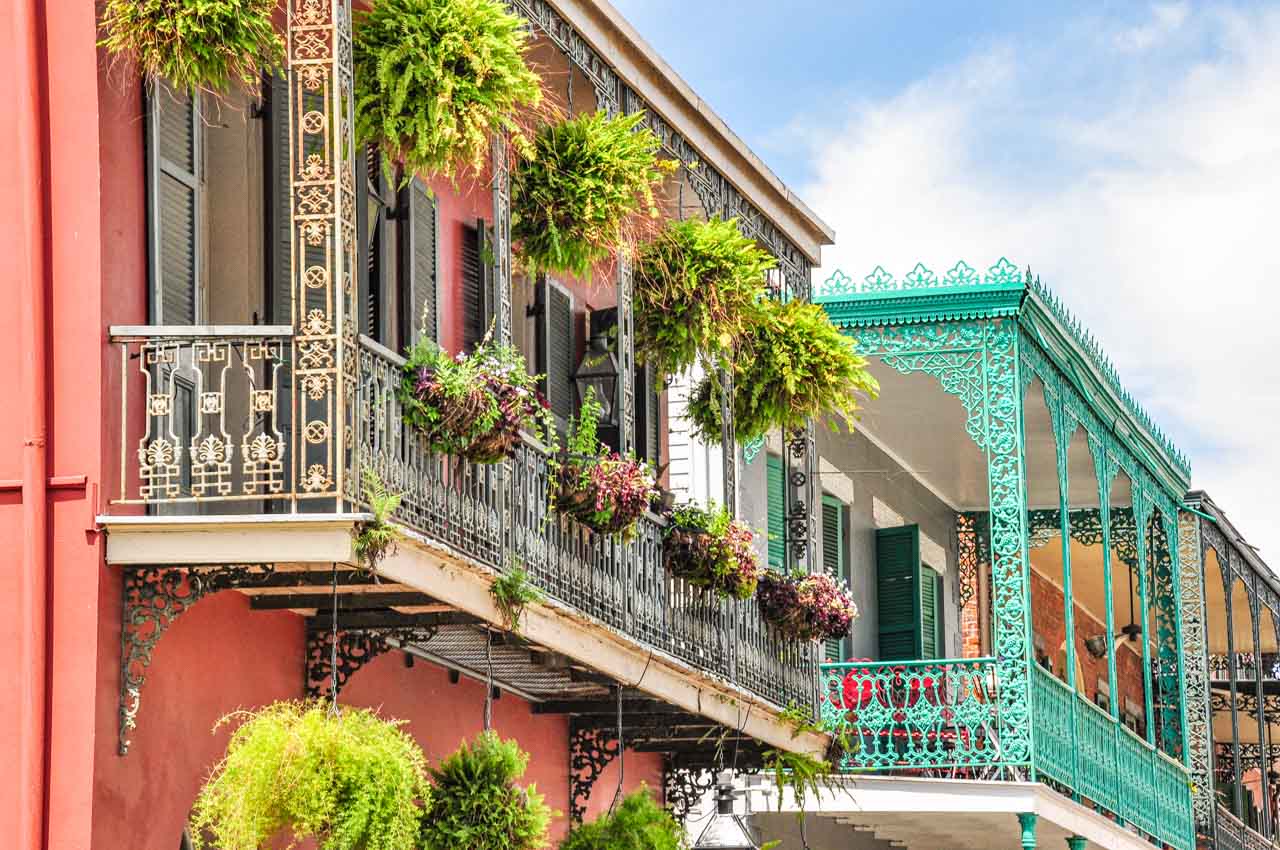
Comments
Post a Comment