Day 2 - The Garden District
Catch a bus this afternoon to Canal Street, then take the St. Charles Streetcar out to the Garden District. Streetcars are icons of New Orleans. The St. Charles Streetcar is the most famous as it is said to be the oldest continuously operating streetcar in the world.
The Garden District provides excellent insight into how wealthy New Orleanians live – in grand mansions on large blocks of land, with beautiful, lush gardens and well-kept lawns. These are the homes built by wealthy city merchants, bankers and planters.
On a self-guided walking tour of the Garden District, your first stop is Lafayette Cemetery. There are two Lafayette Cemeteries. Turn right into Washington Avenue after getting off the St. Charles Streetcar instead of left, you will end up at Lafayette Cemetery No. 2. We had intended to visit the famous, walled Lafayette Cemetery No. 1 with its lavish, ornately decorated tombs, where tombs tell the story of a yellow fever epidemic.
Lafayette Cemetery No. 2 was our first introduction to above-ground tombs and oven wall vaults, for which New Orleans is famous. Burying people in the ground is not manageable in New Orleans due to the city being below sea level.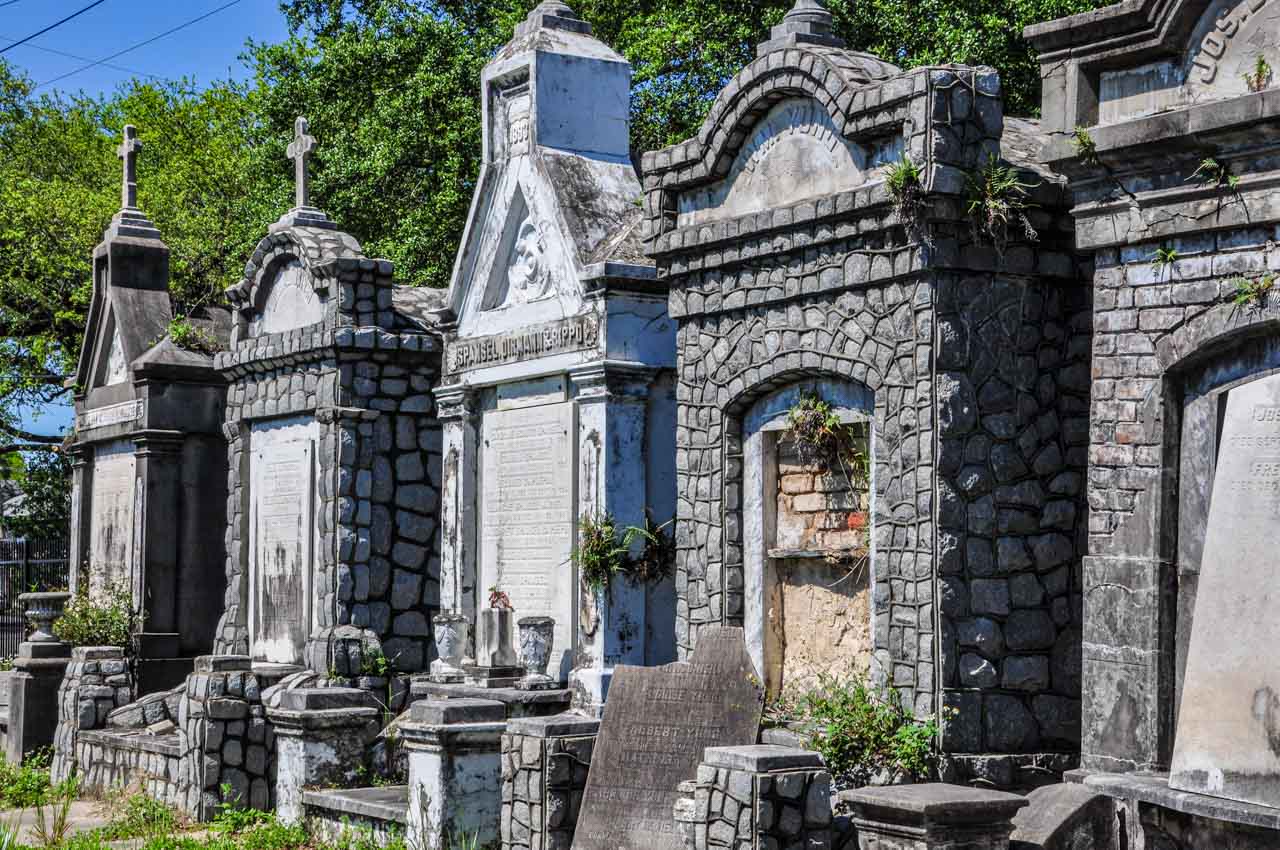
The above-ground tombs in Lafayette Cemetery No. 2
What the walk to Lafayette Cemetery No. 2 reveals s an apparent delineation between the haves and have-nots in the Garden District, as noted by the houses on either side of St. Charles Avenue.
Walk back up Washington Avenue and cross St. Charles Avenue, explore the area around Lafayette Cemetery No. 1. Pay special interest to the homes of the Garden District, with their typical “raised centre-hall cottage” architectural style.
Your Garden District walk
The Gothic Revival styled Briggs-Staub House, at 2605 Prytania Street. This style of architecture is rare in New Orleans because Protestant Americans say it reminds them of Roman Catholic France.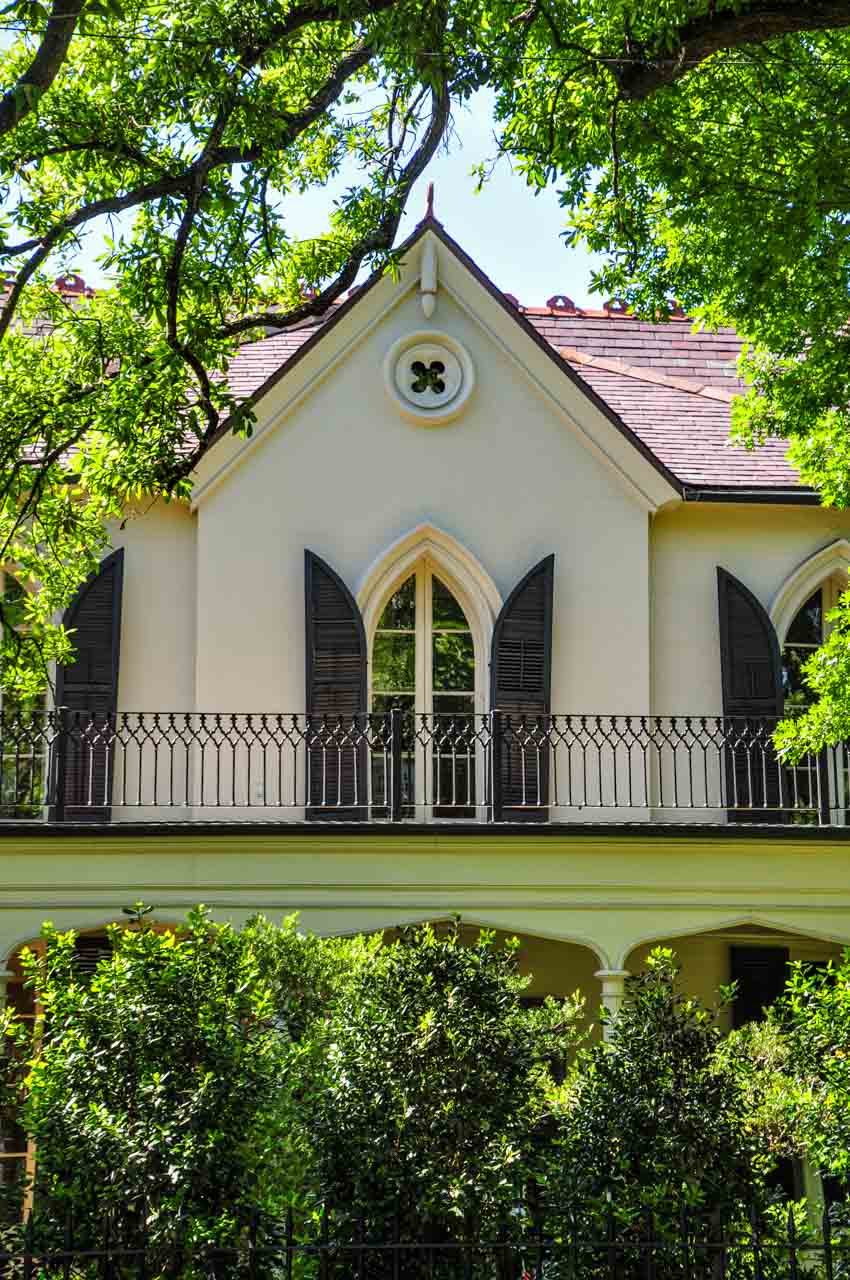
Gothic Revival styled Briggs-Staub house
Colonel Short’s Villa, at 1448 Fourth Street. Built in 1859. This historic residence is one of the most stunning in the Garden District, and the house is famed for its cornstalk ironwork fence.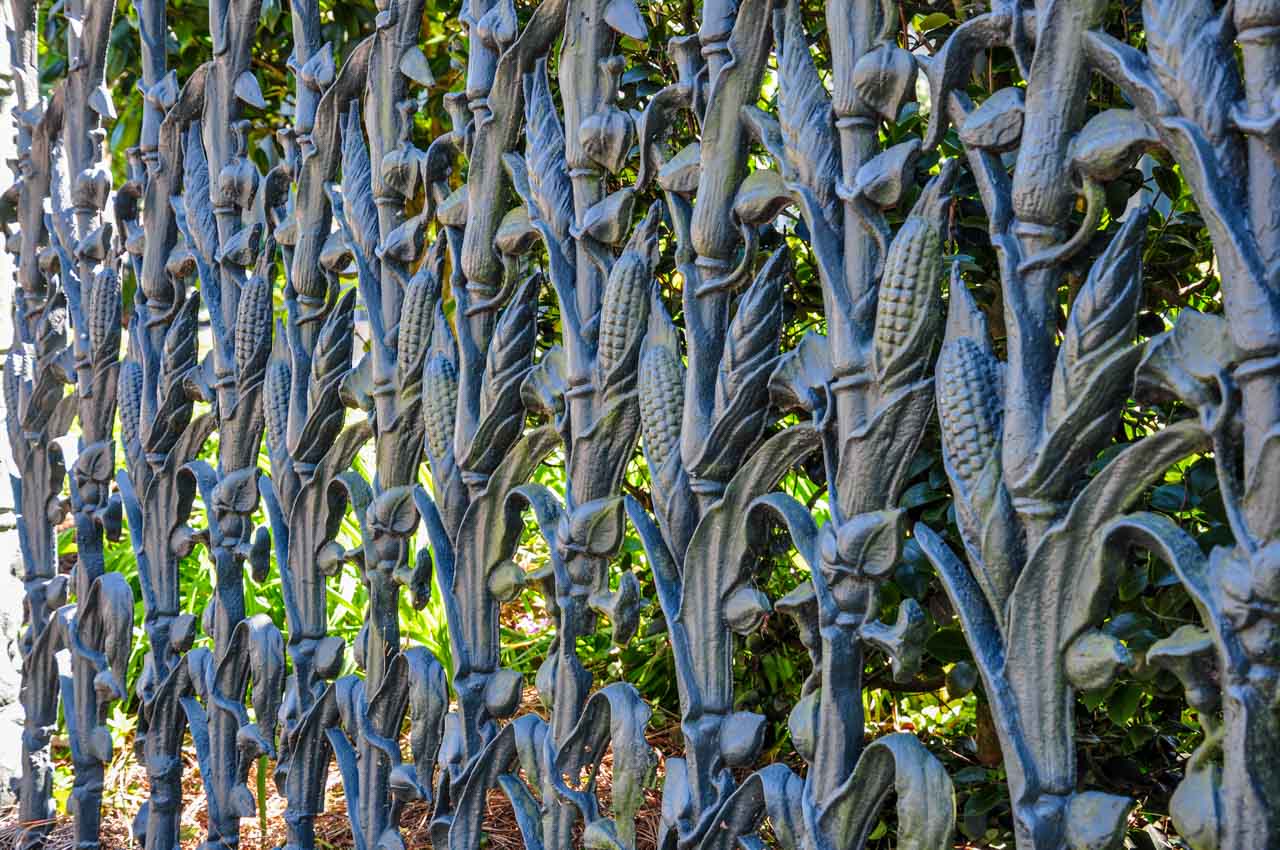
The cornstalk, ironwork fence at Colonel Short’s Villa
Robinson House, at 1415 Third Street, was built for a Virginia tobacco merchant. It is one of the grandest and largest residences in the Garden District.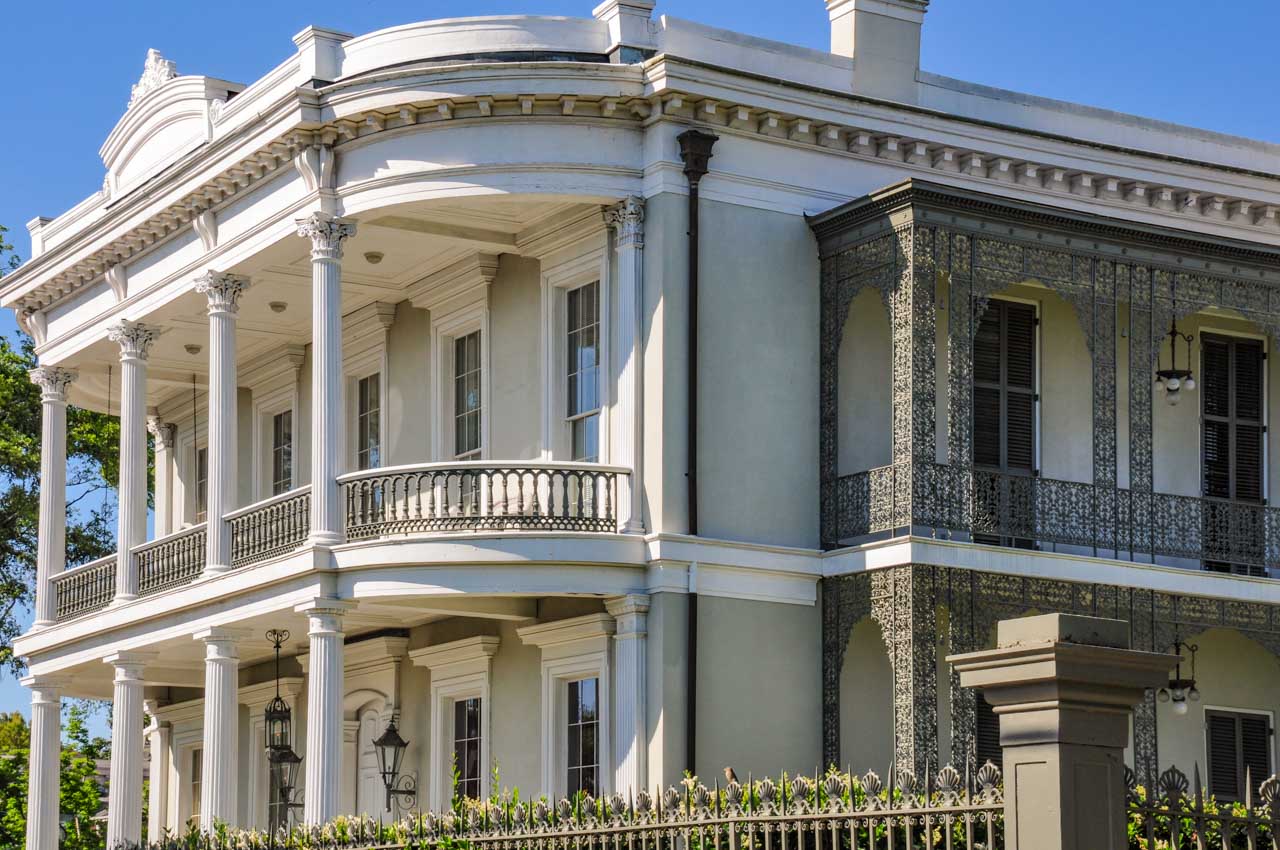
Robinson House
Finally, we stop outside the pink Carroll-Crawford House, at 1315 First Street, with its ornate cast-iron balconies.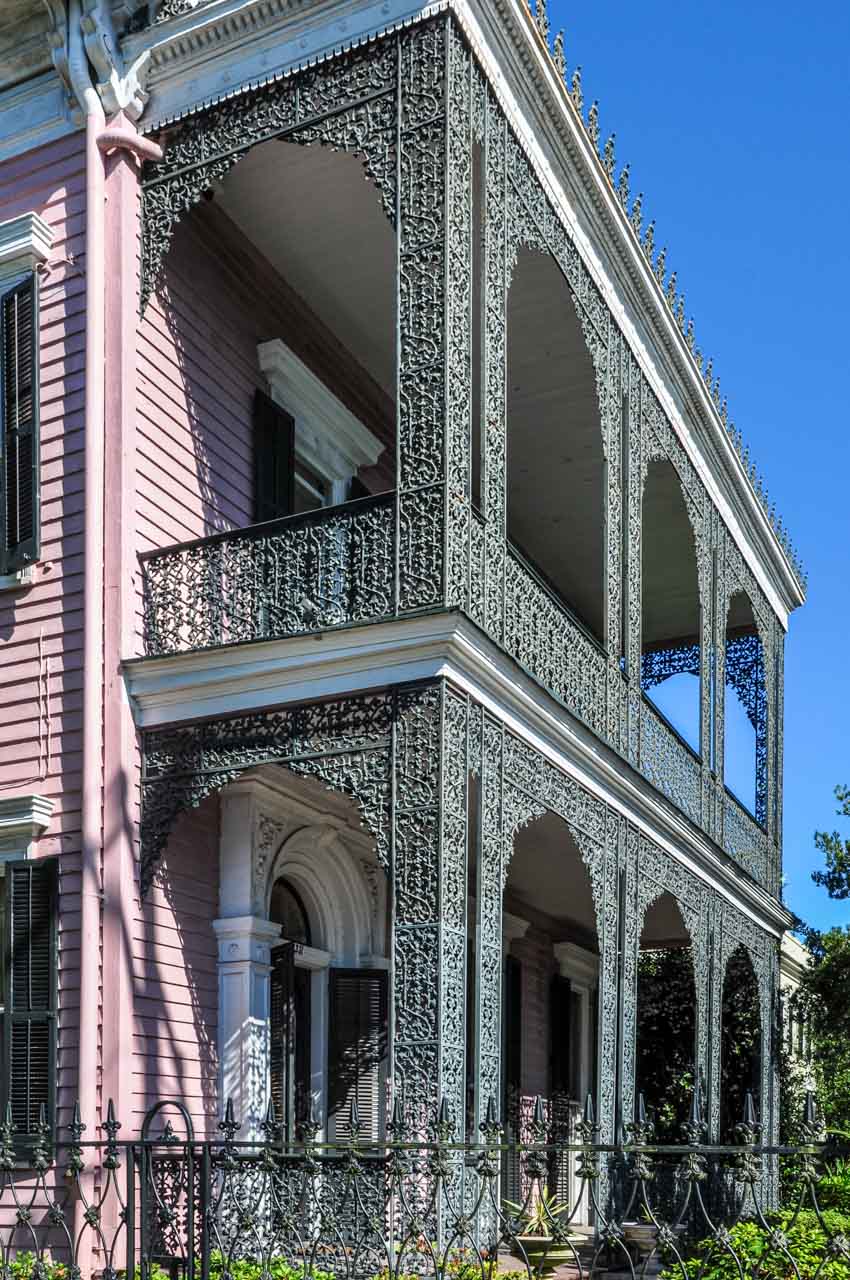
Carroll-Crawford House
Exploration of the Garden District is a lovely way to spend an afternoon. With all that walking, you will be ready for a rest by the time you get back to Jazz Quarters.

Comments
Post a Comment